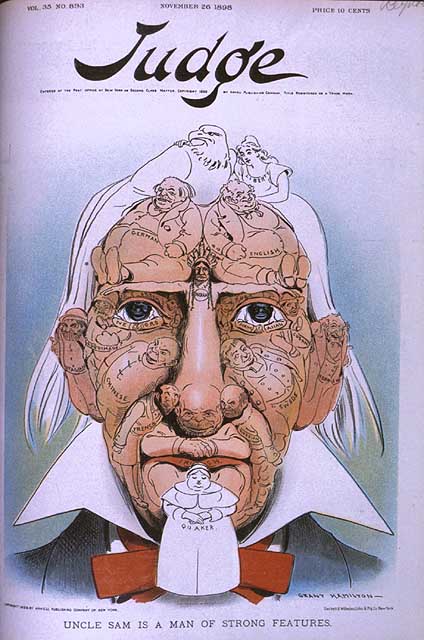
There are a few allusions to World War II in this section. For example, Mrs. Kehoe says “after the war some of the Italians were very forward” (109) and the old man in the bookshop mentions “the holocaust … the churben” and says “The Germans killed everyone belonging to him, murdered every one of them, but we got him out, at least we did that, we got Joshua Rosenblum out” (125). What impact do you think WWII had on interactions between ethnic groups in Brooklyn based on the behavior of these characters?
As previously mentioned in class, Bartocci’s department store appears to be maintaining its reputation for progressive racial relations in order to expand its marketability. Eilis and another worker, Miss Delano, are reassigned to the counter with darker stockings for black customers (115). How do their reactions differ? What does this say about Eilis? Why do you think Eilis finds this switch so exhausting and stressful?
Eilis meets Tony at an Irish dance, even though he is the Brooklyn-born son of Italian immigrants. Why might he have attended the event?
Is there a deeper significance to the fact that Eilis begins to doubt her relationship with Tony when he says that he wants their children “to be Dodgers fans”? What might this be?
How does Tony’s Italian family differ from or resemble Eilis’ Irish family?
Eilis is attending Brooklyn College in the hopes of advancing from working on a shop floor to being a bookkeeper in an office. Dolores’ fellow lodgers shun her because she is a “scrubber” (126). Eilis tries to explain in letters to Rose that “in this world Tony shone despite the fact that he worked with his hands” as a plumber (175). What do the reactions characters have to various occupations say about the associations between jobs and social classes? Do the characters seem to believe in the “American Dream”?
When Eilis hears about Rose’s death, she begins to cry and repeats, “Why did I ever come over here?” (179). Now that we know Rose’s fate, do you think Eilis made the right decision in allowing her family to send her to America?
Jack’s letter informing Eilis of their mother’s condition causes Eilis and Tony considerable distress, yet this leads to them having sex for the first time. What do you think Tóibín may be asserting about the relationship between grief and sexual intimacy?
Shortly after, the couple goes to confession and then marries in a quick civil ceremony, even though Eilis is not pregnant, because Eilis is returning to Ireland for a month and Tony says, “If you go, you won’t come back” (205). Do you think Tony’s concerns are valid?